Transform Your Kitchen in 2025: The Ultimate Guide to Choosing the Perfect Dishwasher
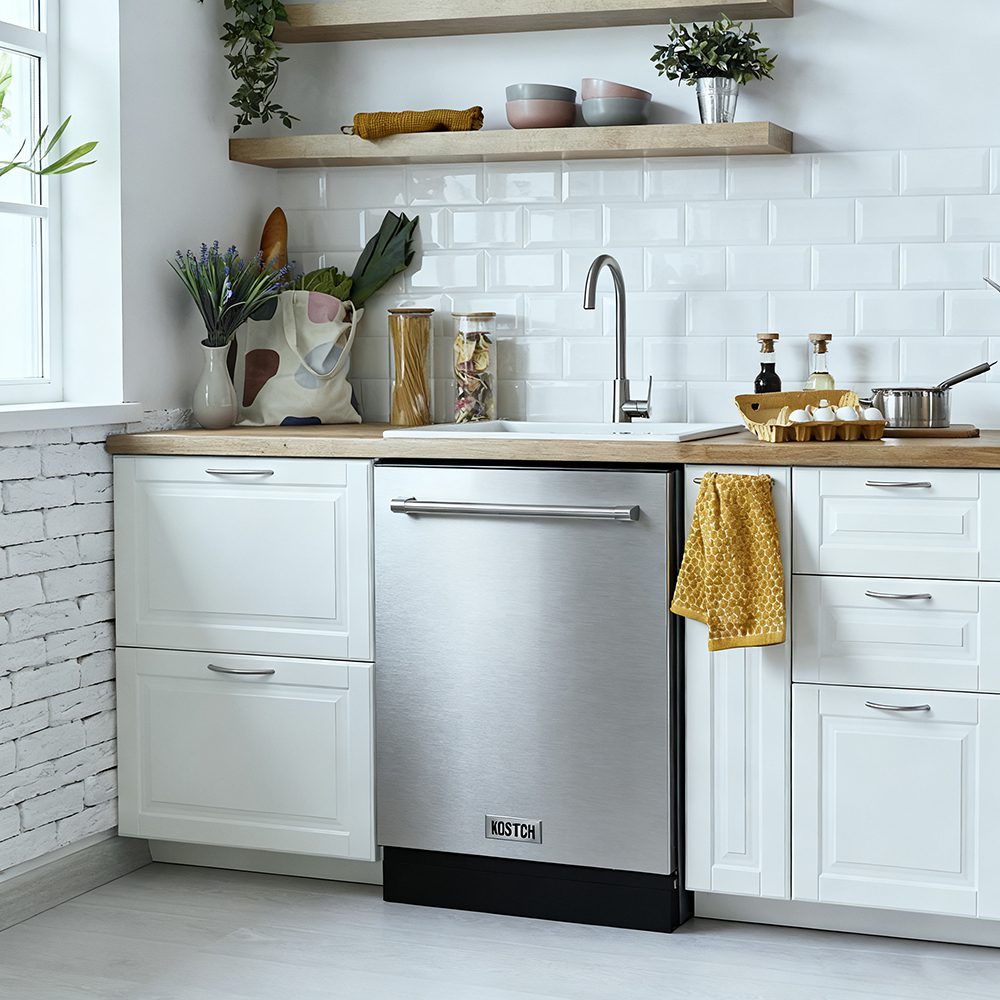
A modern kitchen is no longer just a place to cook — it’s a space for family gatherings, entertaining guests, and even creative culinary experiments. Among all kitchen appliances, a high-quality dishwasher has become essential in 2025, combining convenience, hygiene, and energy efficiency.
Whether you are a busy professional, a home chef, or someone who loves hosting dinner parties, the right dishwasher can transform your daily routine. It saves hours of manual labor, ensures sparkling clean dishes, and maintains a hygienic kitchen with minimal effort.
This ultimate guide covers everything you need to know about choosing the perfect dishwasher — from types and features to installation, maintenance, and design trends — so you can make a confident choice for your home.
1. Why a Dishwasher Is Essential in Modern Kitchens
Many homeowners still underestimate the value of a dishwasher, but it offers several key benefits:
- Time-Saving: Washing dishes by hand can take hours each week. A dishwasher allows you to focus on cooking, entertaining, or spending time with family.
- Hygiene: Modern dishwashers use high-temperature cycles to kill bacteria, remove grease, and sanitize dishes more effectively than handwashing.
- Energy and Water Efficiency: Contemporary dishwashers use less water than washing by hand, reducing utility bills and environmental impact.
- Enhanced Kitchen Aesthetics: Built-in and integrated models create a sleek, uncluttered look in your kitchen.
For families, avid cooks, or frequent entertainers, a dishwasher is no longer a luxury — it’s a necessity.
2. Types of Dishwashers and Their Benefits
Understanding the different dishwasher types ensures you select a model that fits your kitchen layout and lifestyle.
a) Built-In Dishwashers
- Installed under the countertop and integrated into cabinetry.
- Pros: Large capacity, quiet operation, seamless design.
- Cons: Requires professional installation.
- Best for families or full-time home cooks who need efficiency and volume.
b) Portable Dishwashers
- Freestanding units that can be rolled into place.
- Pros: Flexible, no permanent plumbing required.
- Cons: Smaller capacity, occupies floor space.
- Ideal for rental homes or kitchens with limited built-in options.
c) Drawer Dishwashers
- Pull-out drawer-style units that allow independent washing cycles.
- Pros: Energy-efficient, ergonomic, great for small loads.
- Cons: Smaller capacity, slightly higher cost per cubic foot.
- Perfect for couples or small households.
d) Countertop Dishwashers
- Compact models placed on counters and connected to a sink faucet.
- Pros: Space-saving, portable, easy installation.
- Cons: Limited capacity, slower cycles, requires manual drainage.
- Suitable for apartments or tiny kitchens.
Pro Tip: For most homes, a built-in full-size dishwasher provides the best combination of capacity, efficiency, and long-term durability.
3. Key Features to Look for in a Dishwasher
Modern dishwashers come packed with features designed for convenience, hygiene, and efficiency.
a) Wash Cycles
- Heavy Duty: Cleans pots, pans, and heavily soiled dishes.
- Normal: Standard daily use.
- Eco: Saves water and energy.
- Quick/Express: Perfect for lightly soiled loads.
- Sanitize: High-temperature cycles for maximum hygiene.
b) Drying Options
- Heated Dry: Fast and thorough drying.
- Air-Dry: Conserves energy.
- Fan-Assisted Drying: Efficient for plastics and hard-to-dry items.
c) Noise Level
- Measured in decibels (dB).
- Modern dishwashers operate between 38–50 dB, almost whisper-quiet — ideal for open-plan kitchens.
d) Adjustable Racks and Capacity
- Adjustable racks fit pots, pans, and odd-shaped items.
- A third rack allows loading utensils or small items.
- Full-size dishwashers typically handle 12–16 place settings.
e) Smart Features
- Wi-Fi connectivity and remote monitoring.
- Notifications for cycle completion.
- Energy usage tracking for efficiency.
Pro Tip: A smart dishwasher integrates seamlessly into a modern kitchen, offering convenience and reducing wasted energy.
4. Energy Efficiency and Sustainability
Energy-efficient dishwashers are a key feature of 2025 kitchens:
- Energy Star Certified: Uses up to 30% less energy than non-certified models.
- Low Water Usage: Cleans a full load with just 3–4 gallons of water.
- Eco Modes: Save water and electricity without sacrificing cleaning performance.
Selecting an energy-efficient dishwasher reduces costs and supports environmental sustainability.
5. Design and Kitchen Integration
Dishwasher design impacts kitchen aesthetics and functionality:
- Front Panel Options: Stainless steel, black stainless, or custom cabinetry panels.
- Control Placement: Hidden top controls for a sleek look or front controls for easier access.
- Integrated Models: Blends seamlessly with kitchen cabinetry for a minimalist design.
Modern dishwashers serve as both functional appliances and design elements, complementing countertops, cabinets, and other kitchen appliances.
6. Installation Considerations
Proper installation ensures efficiency and longevity:
- Measure Carefully: Ensure adequate space and clearances for plumbing and ventilation.
- Plumbing & Electrical Requirements: Standard 120V outlet and water supply are needed.
- Professional Installation Recommended: Especially for built-in and integrated models.
- Leveling: Prevents leaks and ensures even cleaning.
7. Maintenance and Cleaning Tips
Routine maintenance extends the life of your dishwasher:
- Clean Filters Regularly: Prevent clogs and maintain washing efficiency.
- Use Vinegar or Baking Soda Cycles: Remove odors and hard water buildup.
- Check Spray Arms: Ensure they rotate freely and jets are unclogged.
- Wipe Door Seals and Edges: Prevent mold and mildew.
- Use Quality Detergent: Protects components and ensures spotless cleaning.
8. Common Mistakes to Avoid
- Choosing a dishwasher that is too small for household needs.
- Ignoring noise levels for open-concept kitchens.
- Overlooking adjustable racks or third-tier trays for flexibility.
- Selecting models without energy efficiency certifications.
- Neglecting long-term maintenance considerations.
9. Final Thoughts
A dishwasher is no longer just a convenience — it is a time-saving, energy-efficient, and hygienic kitchen essential.
Whether you opt for a built-in full-size dishwasher, a drawer-style model, or a compact countertop unit, focus on capacity, wash cycles, drying options, energy efficiency, and maintenance. Proper installation and care will ensure that your dishwasher remains an indispensable part of your kitchen for years to come.
Upgrade your kitchen in 2025 with the perfect dishwasher and enjoy cleaner, faster, and stress-free home cooking experiences.